


Uncomplicated urinary tract infections are a very common problem and often recur.Cystitis is a common bacterial disease that typically affects women (females are about 8 times more likely than men).
What is bacterial cystitis
Bacterial cystitis is characterized by an inflammatory process of the bladder wall.It responds well to treatment and usually does not require hospitalization.
Due to the structural characteristics of the genitourinary system, most complaints about this problem come from women, but sometimes men also experience this problem.
Development reasons
Bacterial cystitis always occurs for one reason - pathogens entering the bladder.
The following factors can trigger the disease:
- Failure to comply with hygiene rules;
- Chronic infection is present;
- Previous urinary catheter installation;
- Use of spermicidal contraceptives;
- Frequently changing sexual partners;
- Have a history of atrophic vaginitis.
In men, the most common cause of the disease is sexually transmitted infections.The development of cystitis may be influenced by long-term exposure to cold, frequent stressful situations and the use of certain medications, but all of these factors are considered concomitant.By affecting the body's overall immunity, they increase the likelihood of pathogenic microorganisms proliferating.
Pathogenic microorganisms can enter the bladder via ascending, lymphatic, and hematogenous pathways.A necessary condition for the disease to occur is for bacteria to invade the bladder wall.
symptom
Bacterial cystitis in patients of either gender begins with the acute phase.
It can be identified by several specific characteristics:
- Frequent urge to go to the toilet;
- pain, burning, and discomfort during urination;
- Small amounts of blood are excreted in the urine;
- Pretend to go to the toilet and urinate less.
In addition to specific symptoms, patients may experience the following symptoms of cystitis:
- pain during and after sexual intercourse;
- perineal and pelvic discomfort;
- Increased body temperature;
- Persistent pain in lower back.
Progressive disease can cause urine to become cloudy and have a distinctive odor.Urinary incontinence may also occur when sneezing or coughing.The symptoms of chronic cystitis are the same as acute cystitis, but they are less obvious and severe.
Distinctive features compared to other forms
Cystitis is a disease with many forms and manifestations.The most common are infectious bacterial, fungal, and viral cystitis.In some cases, the disease is caused by a "descending" kidney infection.
In addition to those listed, there is a large group of non-infectious cystitis.They may arise from mucosal damage of abiotic nature.
There are several types of cystitis:
- Traumatic or foreign body cystitis.It occurs with prolonged use of a urinary catheter, causing tissue damage.
- Interstitial or autoimmune.A chronic form of the disease that is difficult to diagnose and treat because experts have not determined the exact cause of its occurrence.In most cases, this form of cystitis can be identified by severe pain when the bladder is full and a very frequent need to urinate - in some cases, up to 100 times a day.
- ray.Occurs in cancer patients receiving radiation therapy.Radiation can have harmful effects on the bladder mucosa, causing pain, frequent urination, and blood in the urine.
- allergy.It is a reaction to allergens that enter the body.
- chemical toxicity.This form of the disease can occur when chlorine is introduced into the urethra using spermicidal gel, hygiene sprays, or while in a swimming pool.
diagnosis
Even if specific symptoms are present, cystitis can only be diagnosed through a laboratory urine test.Analysis shows the presence of protein, a high percentage of white blood cells, and hematuria (presence of red blood cells).In addition, bacterial cultures are performed, through which the doctor can identify the causative agent of the disease and choose the most effective drug.
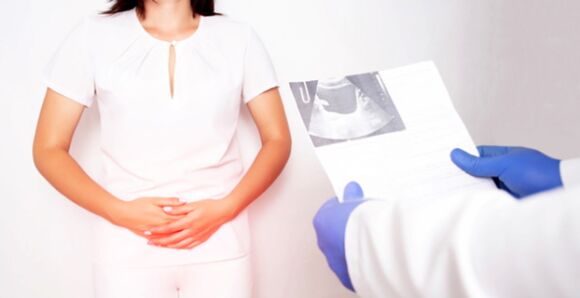
For men, the prostate is also examined and tested to rule out some sexually transmitted infections that may be hidden and asymptomatic.Women need to be seen by a gynecologist and have a smear done to assess the microbiome.
Bacterial cystitis treatment
Bacterial cystitis requires treatment with antibacterial drugs.Doctors choose appropriate medications after studying laboratory test results.The chronic phase of the disease requires treatment for 7-10 days.In many cases, a comprehensive approach to treating cystitis is effective.
Cause treatment
Since the cause of the inflammatory process in the bladder is usually infection, patients are most often prescribed antimicrobial drugs.The most common causative agent of cystitis is Escherichia coli.This urinary tract pathogenic organism is detected in 75-90% of cases.
It is caused by Staphylococcus saprophyticus in 5-10% of patients; other intestinal bacteria are less common.
Cause treatment
Antibacterial treatment in women can clear bacteria in the bladder but has no effect on bacteria in the gut.They reenter the perineal surface, pass into the urethra, and then into the bladder.The lining of the bladder, which protects it from bacterial invasion, is damaged during cystitis, leading to a high likelihood of recurrence of the disease.
In world practice, it is common to treat chronic cystitis by introducing sodium hyaluronate into the bladder.There are oral medications, but often a combination of them is most effective.
This class of drugs allows:
- Protects the bladder wall from bacterial invasion;
- Restore damaged mucosal protective layer;
- Protects the urothelium from toxic components in urine;
- Significantly reduces the intensity of the inflammatory process occurring in the bladder.
This technique is very effective in cases of relapse, resistance to antimicrobial drugs, and lack of effectiveness of other types of treatments.Another advantage is that it reduces the likelihood of recurrence and enables long-term freedom from cystitis, even in advanced cases.
Symptomatic treatment can reduce disease manifestations
Bacterial cystitis in women causes discomfort and pain, and can be very serious.Symptomatic treatment can address this condition, with the main goal of relieving the patient's general condition.
In most cases, doctors will prescribe non-steroidal anti-inflammatory drugs and recommend giving up tea, coffee and alcoholic beverages.To relieve pain, you can take a hot bath and use a heating pad.During treatment for cystitis, it is important to drink enough water.
How to treat bacterial cystitis in women
Treatment of cystitis in women involves oral medications.A comprehensive approach that takes into account the individual characteristics of the patient's body allows us to respond to the disease in a short time.
antibiotic
The basis of cystitis treatment is the use of drugs that selectively inhibit or destroy pathogenic microorganisms.To treat inflammatory processes occurring in the genitourinary system of the body, uroseptic agents are used, which are excreted through the kidneys, thus ensuring an effective concentration of the drug in the inflamed area.
| antibiotic | describe |
|---|---|
| Phosphonic acid derivatives | Water-soluble powder with citrus aroma.This drug is considered one of the most commonly used antibiotics to treat cystitis.Its duration of action is approximately 2 hours and it is completely eliminated from the body after 2 days. |
| Second generation macrolide semisynthetic antibiotics | White pills.Suitable for patients suffering from cystitis due to sexually transmitted infections. |
| Second generation fluoroquinolone antibiotics | Orange pills.One pill is enough for 12 hours, and the drug is completely eliminated from the body within 1 day. |
| First generation quinolone antibiotics | Affects a variety of viruses.Supplied in hard capsule form, the active ingredient is nalidixic acid. |
| First generation quinolone antibiotics | Available in capsule form, the active ingredient is pipecolic acid.It begins to take effect within 1.5 hours after entering the human body.Up to 85% of active substances are eliminated within 1 day. |
| Third generation cephalosporin semisynthetic antibiotics | Orange tablet with berry smell.The drug works by inhibiting the synthesis of pathological microorganisms. |
painkillers
For cystitis, doctors usually prescribe NSAIDs in the form of tablets or rectal suppositories.
Patients who relapse often must take such drugs as their mainstay.The same approach also applies when antibiotics are not available for some reason.As a complex treatment, specialists may prescribe antispasmodic medications to stop painful spasms in the bladder wall.
During the acute phase of the disease, the bladder may contract, preventing normal emptying.Muscle relaxation can solve this problem and has an analgesic effect, improves blood circulation, and restores the normal function of the organs.
It is important to consider that antispasmodics affect systemic blood flow and the function of internal organs, so they are not suitable for treating hematopoietic problems, kidney and liver failure, acute gastrointestinal disorders, and several other health problems.Therefore, their intake and dosage must be approved by a doctor.
diuretics
Diuretics are used to restore normal urinary patterns, which is an important factor in treating cystitis.The mildest are plant-derived diuretics or herbal remedies, used as adjunctive treatments.
These include:
- Paste preparation consisting of herbs and essential oils.Dilute a small amount of this product with water and take it internally.
- Botanical tablets or solutions containing thyme, lovage root and rosemary leaves.It has diuretic and antibacterial effects on the body.
- Herbal Infusions.These include herbs that stimulate urine production and have anti-inflammatory, antispasmodic, and relaxing effects.The mixture contains oak bark, St. John's wort, chamomile and flax.These treatments are effective for all forms of cystitis and can be used even in advanced cases.
drinking habits
Drinking enough fluids can reduce the concentration and irritation of the inflamed bladder wall and increase the urge to urinate and speed up the elimination of pathogenic bacteria.Doctors recommend drinking at least 2-3 liters of water per day depending on the patient's weight.For cystitis, bed rest is necessary to speed up the treatment and recovery process.
prevention
Bacterial cystitis is very easy to prevent, both by avoiding the disease and by preventing possible recurrence after treatment.
Most experts recommend taking preventive measures:
- Maintain hygiene.Wash at least once a day, from front to back.In this way, entry of pathogenic microorganisms from the anus into the vaginal and urethral areas is avoided (it is this mechanism that most often causes cystitis in women).
- Drink enough fluids.
- Use barrier contraceptives.
- Protects against hypothermia and prolonged exposure in wet swimsuits.
- Reject chemical fiber underwear and favor underwear made of natural fabrics.
Women are also advised to urinate after each sexual intercourse to remove bacteria that may have entered the urethra.Emptying your bladder regularly is equally important, as stagnant urine is a fertile environment for pathogens to thrive.
If symptoms return within 14 days of completion of treatment, a urine culture will be required.Ineffective treatment may be due to low susceptibility of the microorganisms to the selected drug.
Possible complications and chronicity of the disease
Untreated cystitis can develop into a chronic form that becomes more difficult to get rid of and more expensive to treat.This consequence can be avoided if a specialist is promptly consulted at the first signs of the disease.A fairly common complication is vesicoureteral reflux.This occurs when urine passes from the bladder into the ureters (i.e. in the opposite direction).
This process, if not given due attention, may lead to inflammation of the uterus, peritonitis, or inflammation of the peritoneum.The inflammatory process in the bladder wall sometimes leads to abscesses and scarring, resulting in a reduction in the amount of urine it can hold.In this case, patients will experience frequent urination and painful urination.
In men, long-term cystitis can cause urine to enter the prostate, an inflammatory process of the prostate, and epididymitis.Women may experience reproductive problems.Cystitis is bacterial in nature and its acute form can lead to miscarriage in pregnant women.Therefore, treatment takes about a week in most cases and cannot be delayed.